Rajasthan
Jherli
A story of water, clay, and resilience
A community deeply rooted in pottery artisanry and village life, facing and adapting to water scarcity contexts.
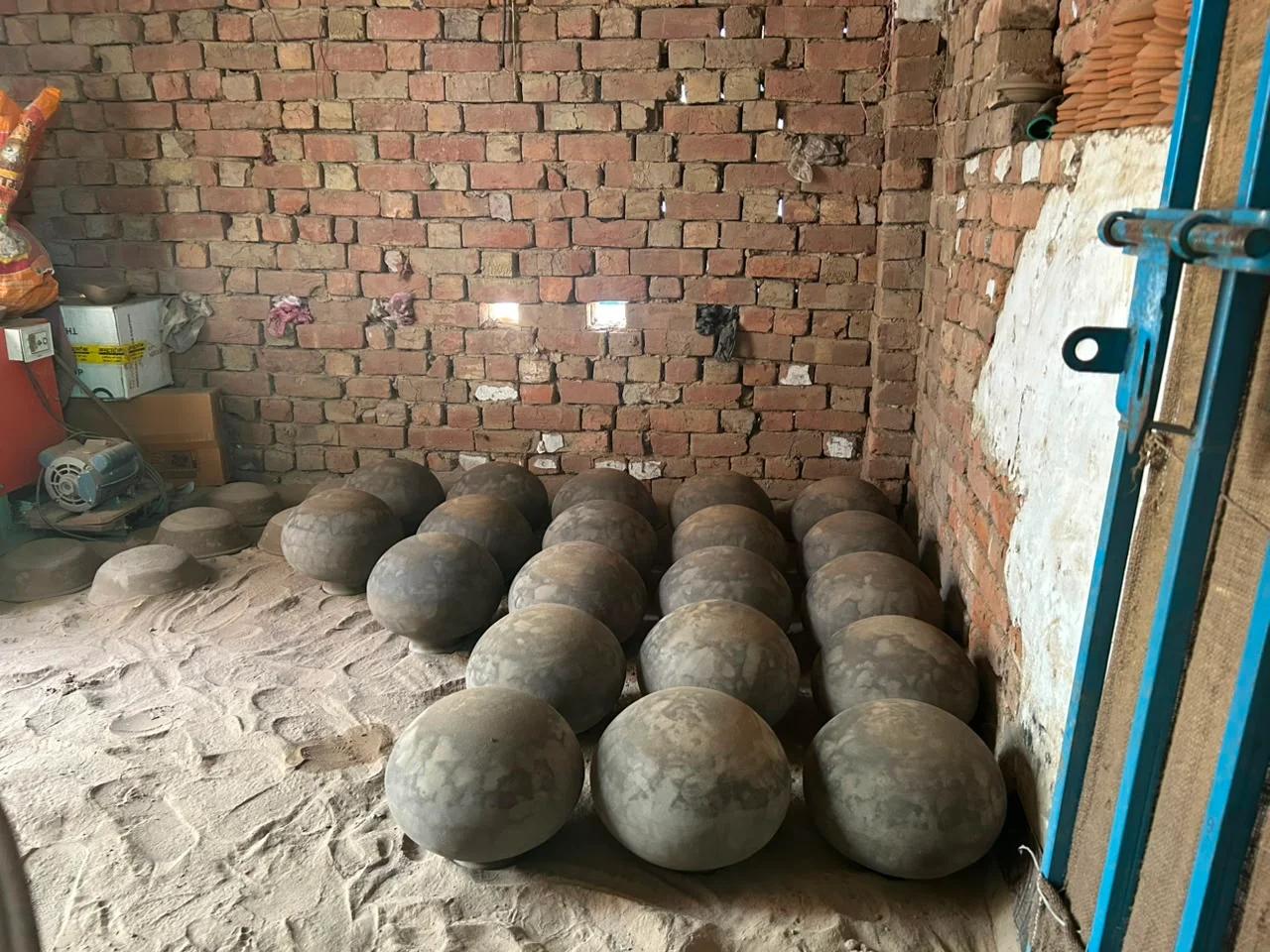
Village Overview
Jherli is a vibrant community marked by its deep-rooted traditions and challenging geographic landscape. Home to generations of artisans, the village operates at the intersection of rich cultural heritage and severe environmental constraints.
Pottery Heritage
For centuries, the artisans of Jherli have molded the earth into functional art. Their pottery is not just a livelihood, but a language—a way of preserving history and community identity through every spun vessel and fired clay piece.
Water Scarcity Challenges
The changing climate has severely impacted Jherli. Prolonged droughts and depleting water tables threaten not only daily survival but the very foundation of their pottery craft, which relies heavily on access to clean water for clay preparation.
Artisan Livelihoods
Despite the hardships, the artisans continue to work, though economic margins grow thinner. The lack of direct market access and reliance on middlemen means that the true value of their intricate work is rarely realized by the creators themselves.
Youth Migration
Faced with dwindling economic prospects, a significant portion of Jherli's youth is migrating to urban centers. This exodus endangers the continuity of the village's cultural heritage, as fewer young hands remain to learn the ancient crafts.
Findings
Our deep immersion revealed that the community possesses immense intrinsic knowledge of sustainable living. The primary barrier is not a lack of skill, but the absence of modern infrastructure and equitable market pathways.
Opportunities
By introducing decentralized water harvesting systems and establishing direct-to-consumer digital marketplaces, we can revitalize Jherli's economy. Empowering local women to lead these initiatives will ensure sustainable and inclusive growth.